Understanding the differences between these professions can help you choose a career that matches your interests, strengths and long-term goals. When comparing esthetician vs. cosmetologist careers, it’s important to understand the differences in licensing, available beauty services and the types of clients each professional works with.
What Is an Esthetician?
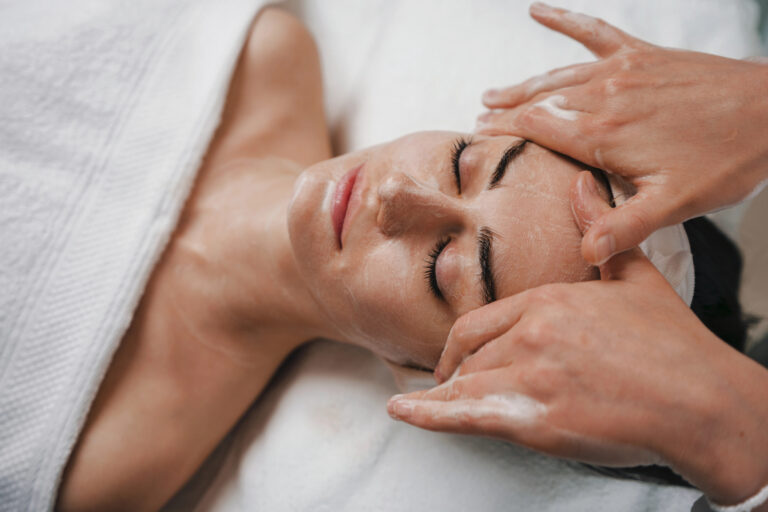
An esthetician specializes in skin care and helps clients maintain healthy-looking skin through professional treatments and personalized recommendations.
Estheticians often work in spas, skin care clinics, salons and other beauty settings. Their work focuses on improving the appearance of the skin and helping clients develop effective skin care routines.
Common esthetician services include:
- Facials and other skin care treatments
- Skin analysis and personalized skin care recommendations
- Exfoliation and professional skin treatments
- Hair removal, including waxing
- Recommendations for skin care products and daily routines
Basic skin care services are a central part of an esthetician’s work. Depending on their education, experience and state regulations, estheticians may also provide advanced skin treatments such as chemical peels and other specialized skincare treatments.
Estheticians may also develop expertise in specific areas of skin care, such as acne-focused treatments, anti-aging services or advanced facial techniques, depending on their esthetics program, training and licensing.
Some estheticians pursue additional education to become a medical esthetician, working in medical or clinical settings such as dermatology offices and medical spas. These environments may offer opportunities to work alongside medical professionals and provide specialized services within the esthetician’s permitted scope of practice.
Esthetics may be a good fit if you’re interested in skin health, facial treatments, skin care products and helping clients address their individual skin care concerns.
What Is a Cosmetologist?
A cosmetologist receives broader training in beauty services, particularly hair care, cutting, coloring and styling. Depending on the training program and applicable licensing requirements, cosmetology education may also cover skin care, nail care and other beauty services.
Cosmetologists commonly work in hair salons, full-service salons and other beauty establishments. Their work can involve everything from routine haircuts to complex color transformations and special-event styling.
Common cosmetology services and skills include:
- Haircuts and hair styling
- Hair coloring and highlighting
- Chemical hair treatments
- Hair and scalp care
- Basic skin care and nail care techniques, as covered in their training
Cosmetologists also receive training in nail services and may learn techniques related to manicures and pedicures.
Some cosmetologists specialize in areas such as blonding, textured hair, bridal styling or precision cutting. Others enjoy offering a wider variety of services, including certain beauty and nail services permitted by their cosmetology license and state regulations.
Cosmetology may be a good fit if you enjoy working with hair, experimenting with different styles and colors, following beauty trends and building ongoing relationships with clients.
Esthetician vs. Cosmetologist: What’s the Difference?
Although these careers overlap in some areas, the primary difference is the focus of their training and services.
| Category | Esthetician | Cosmetologist |
|---|---|---|
| Primary focus | Skin care | Hair care and broader beauty services |
| Common services | Facials, exfoliation and waxing | Haircuts, coloring and styling |
| Typical workplaces | Spas, skin care clinics and salons | Hair salons and full-service salons |
| Training emphasis | Skin analysis, skin treatments and product knowledge | Hair cutting, coloring, styling and other beauty fundamentals |
| Potential specialties | Facial treatments and specialized skin care | Hair coloring, cutting, styling and bridal hair |
Neither career is inherently better than the other. The right choice depends on which services interest you most and the type of work you want to do every day.
An esthetician’s focus is primarily skin care, while cosmetologists receive training in several areas of the beauty industry. Although both professions can work in salons, their qualifications determine which services they can legally provide.
How Long Does It Take to Become an Esthetician or Cosmetologist?
The time required to complete your education depends on the program, its required training hours and your schedule.
In Idaho, Austin Kade Academy offers a 600-hour esthetics program and a 1,600-hour cosmetology program.
The difference in training hours reflects the broader scope of cosmetology education compared with the more specialized focus of esthetics.
Your actual completion time will depend on your attendance schedule and progress through the program. After completing the required training, you’ll also need to meet the applicable state licensing requirements before practicing professionally.
Graduates pursuing an esthetician license must meet the requirements for an Idaho esthetics license, while cosmetology graduates must qualify for a cosmetology license. Each license establishes the services a professional is authorized to perform.
If you’re deciding between these careers, consider how much time you’re prepared to invest in training and which curriculum better matches your goals.
Which Career Has Better Job Opportunities?
Both estheticians and cosmetologists can pursue a variety of career opportunities, but the options differ based on their training, experience and professional interests.
Estheticians may pursue work in:
- Day spas and destination spas
- Skin care clinics
- Salons offering esthetic services
- Businesses specializing in facials and waxing
- Skin care product sales and education
With additional qualifications and training, some estheticians may also pursue opportunities in medical settings, medical spas or other clinical environments. Services may include advanced skincare treatments and chemical peels when permitted by applicable regulations and professional qualifications.
Cosmetologists may pursue work in:
- Hair salons and full-service salons
- Hair coloring and specialty styling
- Bridal and event hairstyling
- Salon management or ownership
- Beauty education, with the additional qualifications required for teaching
Your opportunities will also depend on your location, professional network and willingness to continue learning. Both paths can offer opportunities for specialization and business ownership as your experience grows.
Some beauty professionals eventually choose to work independently, open their own businesses or provide specialized services to a particular clientele. Your education and licensing can help determine which career opportunities are available to you.
Can You Become Both an Esthetician and a Cosmetologist?
Yes, you can pursue training in both fields, provided you meet the applicable requirements for each license.
Some beauty professionals choose to specialize in one area, while others want to offer services across multiple areas of the industry. Having additional training may expand the services you’re qualified to provide and create more career options.
However, pursuing both programs requires additional time and commitment. If you’re just starting out, it may be more practical to choose the field that interests you most and consider further education later.
It’s also important to understand that each profession has its own scope of practice. Completing one program doesn’t automatically qualify you to perform every service associated with the other.
For example, holding a cosmetology license doesn’t automatically qualify someone to perform every advanced skincare procedure associated with a medical esthetician. Likewise, an esthetician license doesn’t authorize someone to provide all hair or nail services offered by a cosmetologist.
How to Choose the Right Career Path
If you’re still unsure whether esthetics or cosmetology is right for you, consider these questions:
- Which services interest you most?
If you’re drawn to skin care, facials and learning about skin conditions, esthetics may be the better choice. If you enjoy haircuts, color transformations and styling, cosmetology may be a better fit.
- What kind of work environment appeals to you?
Think about whether you’d prefer working in a spa or skin care setting, a busy hair salon or a business that offers multiple beauty services.
You might also consider whether you’re interested in working in a medical spa, providing specialized skincare treatments or working in more traditional salon environments.
- Do you want to specialize or learn a broader range of skills?
Esthetics provides focused training in skin care, while cosmetology offers broader beauty education with an emphasis on hair services.
- What are your long-term goals?
Consider whether you want to specialize in a particular service, build a loyal clientele, manage a salon or eventually own your own business. Both paths can support different professional goals.
- Which program’s curriculum excites you?
Review the subjects covered in each program and think about the skills you’d most enjoy developing. Choosing a field you’re genuinely interested in can help you stay motivated throughout your education.
Start Your Beauty Career at Austin Kade Academy
Choosing between esthetics and cosmetology is an important first step toward a career in the beauty industry. Both fields offer opportunities to develop professional skills, work directly with clients and build a career around your interests.
Austin Kade Academy in Idaho Falls offers both a 600-hour esthetics program and a 1,600-hour cosmetology program. Exploring the differences between these programs can help you decide which training path aligns with your goals.
Whether you’re interested in skincare services, advanced treatments, hair services or learning a broader range of beauty techniques, choosing the right cosmetology school or esthetics program is an important step toward your career.
If you’re ready to take the next step, learn more about Austin Kade Academy’s programs and discover which career path is right for you.