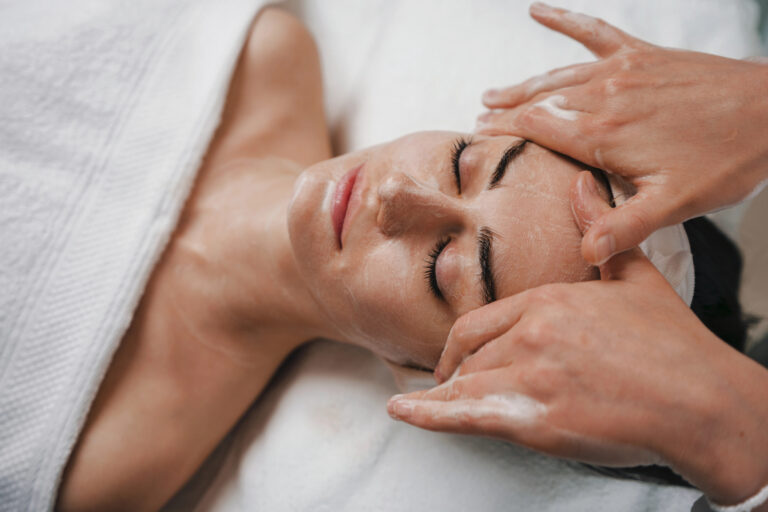
Depending on the type of peel and its strength, the treatment may help address concerns such as uneven skin tone, rough texture, clogged pores and the appearance of fine lines.
But how do chemical peels work, and are they right for everyone? Understanding the different types of peels, their benefits and the importance of proper aftercare can help you make informed skin care decisions.
What Is a Chemical Peel?
A chemical peel is a skin treatment that uses an acid-based solution or other chemical exfoliant to remove damaged or dead skin cells from the skin’s surface. Some peels work primarily on the outermost layer of skin, while stronger treatments reach deeper layers.
The chemical solution is selected based on the individual’s skin type, concerns and desired results. Chemical peels are cosmetic procedures that can range from mild exfoliating treatments to more intensive procedures performed by medical professionals.
Chemical peels are commonly used to improve the appearance of:
- Uneven skin tone and discoloration
- Rough or uneven skin texture
- Certain types of acne-related blemishes
- Fine lines caused by sun damage and aging
- Dull-looking skin
- Acne scars and mild skin discoloration
The results depend on the type of peel, the condition being treated and the individual’s skin. Chemical peels aren’t suitable for every skin concern, and some conditions require treatment from a dermatologist or another qualified medical professional.
How Does a Chemical Peel Work?
Chemical peels work by loosening the connections between skin cells, allowing dead or damaged cells to shed more readily. This process encourages exfoliation and can help reveal smoother-looking skin underneath.
The depth of the treatment determines how the skin responds and how much recovery time may be needed. As treated skin sheds its outer layer, newer skin cells gradually become visible. How quickly the skin heals depends on the strength of the peel and the individual’s response.
A typical chemical peel involves several steps:
- Skin evaluation
A qualified professional evaluates the client’s skin, discusses their concerns and reviews relevant skin care products, medications and medical history. This helps determine whether a peel is appropriate and which type may be suitable.
- Skin preparation
The skin is cleansed to remove makeup, oil and other surface impurities. Depending on the treatment, additional preparation may be necessary.
- Application of the chemical solution
The selected solution is applied according to the treatment protocol. Different ingredients and concentrations produce different effects, so the product and application time must be appropriate for the peel being performed. For example, glycolic acid and salicylic acid are common ingredients in certain superficial peels.
- Exfoliation and skin response
The solution helps loosen the outer skin cells. Depending on the peel, the skin may experience mild redness, dryness, flaking or more noticeable peeling over the following days.
- Aftercare and recovery
After the treatment, the skin needs appropriate care while it recovers. Gentle cleansing, moisturizing and sun protection are especially important. The provider may recommend temporarily avoiding certain products or activities.
Not every chemical peel causes visible peeling. Some treatments produce subtle exfoliation, while others involve more noticeable recovery.
What Are the Different Types of Chemical Peels?
Chemical peels are generally classified as superficial, medium-depth or deep peels. These categories describe how deeply the treatment affects the skin. Understanding the types of chemical peels can help explain why different treatments are recommended for different skin concerns.
Superficial Chemical Peels
Superficial peels affect the outermost layer of skin. They typically use milder acids and are often chosen to address dullness, mild uneven texture and certain forms of discoloration. Also called light peels or light chemical peels, these superficial peels may be appropriate for people looking to improve mild skin concerns without the longer recovery associated with deeper treatments.
Common ingredients include alpha hydroxy acids (AHAs), such as glycolic acid and lactic acid, as well as certain beta hydroxy acids (BHAs), such as salicylic acid.
Superficial peels generally require less recovery time than deeper treatments, although temporary redness, dryness or irritation can still occur.
Medium-Depth Chemical Peels
Medium-depth peels reach beyond the outermost skin layer and are used for selected concerns such as more noticeable sun damage, uneven pigmentation and certain fine lines. A medium chemical peel may also be considered for selected acne scars, mild skin discoloration and more noticeable uneven skin tone.
Trichloroacetic acid (TCA) is one chemical used in medium-depth peels. These treatments can produce more significant skin changes but also carry greater risks and require more recovery time.
They should be performed by appropriately qualified professionals who can assess the client’s skin and manage potential complications.
Deep Chemical Peels
Deep peels penetrate further into the skin and may be used for certain pronounced signs of sun damage, deeper wrinkles and other selected concerns. A deep chemical peel is a more intensive procedure that may address deep wrinkles, pronounced discoloration and certain types of scarring.
Phenol is one agent used in deep chemical peels. These procedures involve more substantial recovery and potentially serious risks, including scarring, infection and changes in skin pigmentation.
Deep chemical peels require medical expertise and aren’t routine treatments for every skin type or concern.
What Are the Benefits of Chemical Peels?
When selected and performed appropriately, chemical peels may improve several aspects of the skin’s appearance.
Smoother Skin Texture
By encouraging the shedding of dead skin cells, certain peels can help improve roughness and uneven texture. The result may be smoother-looking skin.
More Even Skin Tone
Some chemical peels can help reduce the appearance of certain forms of discoloration, including selected types of sun-related pigmentation. Results vary, and some pigmentation conditions can worsen if the wrong treatment is used. People experiencing uneven skin tone may benefit from an appropriate peel, depending on the underlying cause of the discoloration and their skin characteristics.
Improvement in Certain Acne Concerns
Ingredients such as salicylic acid can help exfoliate the skin and improve the appearance of clogged pores. Certain superficial peels may be useful as part of an acne care plan, but they don’t replace medical treatment when acne is persistent or severe. Some treatments may also improve the appearance of acne scars, although deeper scarring often requires a different approach.
Reduced Appearance of Fine Lines
Some peels may improve the appearance of fine lines associated with sun damage and skin aging. The extent of improvement depends on the depth of the treatment and the condition being addressed. Fine lines and wrinkles caused by sun exposure may respond differently depending on the type and intensity of the peel.
Chemical peels cannot stop the aging process, and deeper wrinkles may require different treatment approaches.
Are Chemical Peels Safe for Everyone?
No. Chemical peels aren’t appropriate for everyone, and the right treatment depends on individual skin characteristics and health considerations.
People with active skin infections, open wounds, significant irritation or certain skin conditions may need to avoid peels or delay treatment. Some medications and skin care products can also increase irritation or affect how the skin heals. For example, people taking certain oral acne medications may need to avoid chemical peels or wait until their treatment has ended, depending on the medication and their medical provider’s recommendations.
A history of cold sores is also important to disclose before treatment, since certain peels can trigger an outbreak.
Skin tone is another important consideration. Certain peels can cause prolonged discoloration or post-inflammatory hyperpigmentation, particularly when the treatment isn’t appropriately selected or performed.
Before receiving a chemical peel, discuss your medical history, medications, previous skin reactions and current skin care routine with a qualified provider. Deeper peels should be handled by appropriately trained medical professionals.
Avoid attempting professional-strength chemical peels at home. Products with high concentrations of acids can cause chemical burns, scarring and lasting changes in skin color when used incorrectly.
What Should You Do After a Chemical Peel?
Aftercare helps protect the skin while it recovers and reduces the risk of complications. Your provider should give you instructions specific to the peel you receive.
General aftercare recommendations may include:
- Use gentle skin care products. Choose a mild cleanser and a moisturizer that supports the skin barrier.
- Apply sunscreen. Use broad-spectrum SPF 30 or higher and limit unnecessary sun exposure while your skin heals.
- Avoid picking or peeling the skin. Pulling off flaking skin can cause irritation, infection or scarring.
- Pause irritating products when instructed. Retinoids, exfoliating acids and other active ingredients may need to be avoided temporarily.
- Follow the recommended recovery period. Don’t schedule another peel or intensive skin treatment until your provider says it’s appropriate.
Seek medical advice if you develop severe pain, blistering, significant swelling, signs of infection or other unexpected symptoms.
How Often Should You Get a Chemical Peel?
The appropriate frequency depends on the type of peel, the condition being treated and how your skin responds.
Some superficial peels may be repeated as part of a planned series, with intervals determined by the provider. Medium-depth and deep peels generally require longer recovery and shouldn’t be repeated on the same schedule as mild treatments.
More frequent treatments don’t necessarily produce better results. Repeated exfoliation without adequate recovery can damage the skin barrier and increase irritation or pigmentation problems.
A qualified professional can recommend a schedule based on your skin’s needs and the treatment’s intensity.
Learn About Chemical Peels and Skin Care at Austin Kade Academy
Chemical peels are one example of how esthetics combine skin care knowledge with practical treatment techniques. Understanding exfoliation, skin analysis, product ingredients and appropriate aftercare helps estheticians make informed decisions when working with clients.
Austin Kade Academy in Idaho Falls offers a 600-hour esthetics program that introduces students to professional skin care concepts and hands-on techniques through instruction and supervised practical experience.
If you’re interested in skin care and want to learn more about becoming an esthetician, explore Austin Kade Academy’s esthetics program to learn about your options for starting a career in the beauty industry.